Kids absolutely benefit from annual eye exams, and here’s why in a nutshell: their eyes are still developing, and any issues caught early can be corrected before they become bigger problems, impacting their learning and overall well-being. It’s not just about seeing clearly; it’s about making sure their visual system is set up for success as they grow.
Think of a child’s eyes like a new garden. You want to make sure the soil is good, the seeds are healthy, and any weeds are pulled out quickly so the plants can thrive. The same goes for their developing vision. An annual eye exam acts as that regular check-up, identifying potential issues before they have a chance to take root and cause lasting trouble.
Development is Ongoing
It’s easy to assume a child’s eyes are fully formed from birth, but that’s far from the truth. Their entire visual system, from the muscles that move their eyes to the connections between their eyes and brain, is constantly growing and refining throughout their childhood. This period of development is critical, and any interference can have long-term consequences. What might be easily correctable at age six could be much more challenging to address at age twelve. Regular exams help optometrists monitor this development and intervene if things aren’t progressing as they should.
Prevention is Better Than Cure
Many common childhood eye conditions, like amblyopia (lazy eye) or strabismus (crossed eyes), are highly treatable if caught early. If left unaddressed, these conditions can lead to permanent vision loss in one eye. Imagine a child struggling with a “lazy eye” for years. Not only would it affect their depth perception and coordination, but it could also impact their self-esteem and social interactions. An annual eye exam ensures these kinds of issues are identified and managed proactively, often with simple interventions like patching or glasses.
Impact on Learning and School Performance
It’s no secret that a huge chunk of a child’s learning is visual. From reading textbooks to seeing the whiteboard, their eyes are constantly at work in the classroom. If their vision isn’t up to par, their academic performance can suffer significantly, sometimes without anyone even realizing the underlying cause.
Reading and Comprehension Difficulties
A child with uncorrected vision problems might struggle to read at grade level. They might skip lines, misinterpret words, or lose their place frequently. This isn’t a sign of disinterest or a lack of intelligence; it’s a genuine struggle stemming from their inability to see clearly. Imagine trying to read a blurry book for hours every day – it would be exhausting and frustrating. This can quickly lead to a dislike of reading and a significant setback in their education. Catching these issues early with an annual exam can be a game-changer, allowing them to access the curriculum fully and enjoy learning.
Attention and Focus Issues
Sometimes, a child might be labeled as “inattentive” or “disruptive” in class when, in reality, they’re just straining to see. If the whiteboard is blurry or the text in their book is hard to focus on, they might become restless, fidgety, or disengaged. Their brain is working overtime to compensate for poor vision, leading to fatigue and difficulty concentrating. An annual eye exam can rule out vision problems as a contributing factor to these behavioral or educational challenges, leading to appropriate support and solutions.
Coordination and Sports Performance
Beyond academics, good vision is crucial for physical activity and sports. Hand-eye coordination, depth perception, and peripheral vision all play significant roles in a child’s ability to participate safely and effectively in games and activities. A child with uncorrected vision might struggle with catching a ball, judging distances, or navigating their environment, potentially leading to frustration or even injury. An annual eye exam ensures their visual system is supporting their physical development and enjoyment of sports.
Beyond “20/20” – More Than Just Acuity
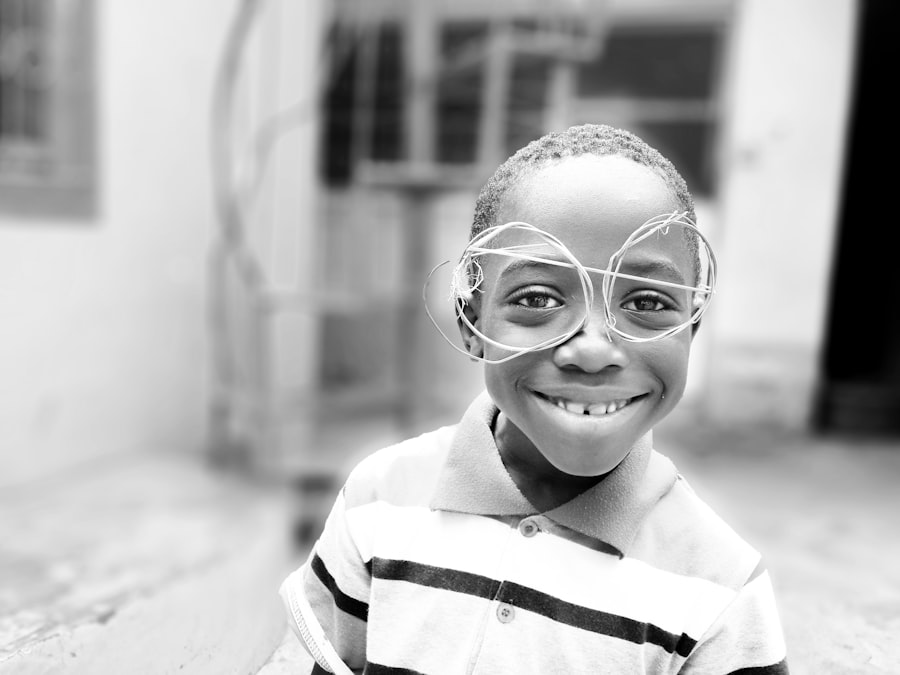
It’s a common misconception that if a child can read the eye chart, their vision is perfectly fine. While visual acuity (the sharpness of their vision) is important, a comprehensive eye exam goes much deeper than that. There are many other aspects of visual function that impact a child’s ability to see comfortably and effectively, even if their “20/20” vision seems okay.
Eye Teaming and Tracking
Good vision isn’t just about each eye working individually; it’s about them working together as a team. Eye teaming (binocularity) refers to how well the eyes align and coordinate to create a single, clear image. Tracking refers to the eyes’ ability to follow a moving object smoothly. Issues with eye teaming or tracking can lead to double vision, headaches, eye strain, and difficulties with reading and sports. A child might struggle to follow a ball, or their eyes might jump around paragraphs when reading, making comprehension difficult. These problems wouldn’t necessarily be picked up by a simple “read the chart” test.
Focusing Skills
A child’s eyes need to be able to shift focus quickly and accurately from near to far and back again – think about looking from a textbook to the whiteboard, or from a toy across the room. Problems with accommodation (focusing) can lead to blurry vision at certain distances, eye strain, and headaches. A child might complain of headaches after reading or doing close-up work, or avoid these activities altogether. An optometrist can assess these focusing capabilities during an annual exam, ensuring their eyes are working efficiently.
Depth Perception and Peripheral Vision
Depth perception, which allows us to judge distances, is crucial for everything from walking down stairs to playing sports. Peripheral vision helps us detect objects and movement in our side vision without directly looking at them. While less obvious, impairments in these areas can affect a child’s spatial awareness, coordination, and safety. A comprehensive annual eye exam includes tests to evaluate these important visual functions, ensuring a holistic understanding of a child’s vision.
Detecting Underlying Health Conditions
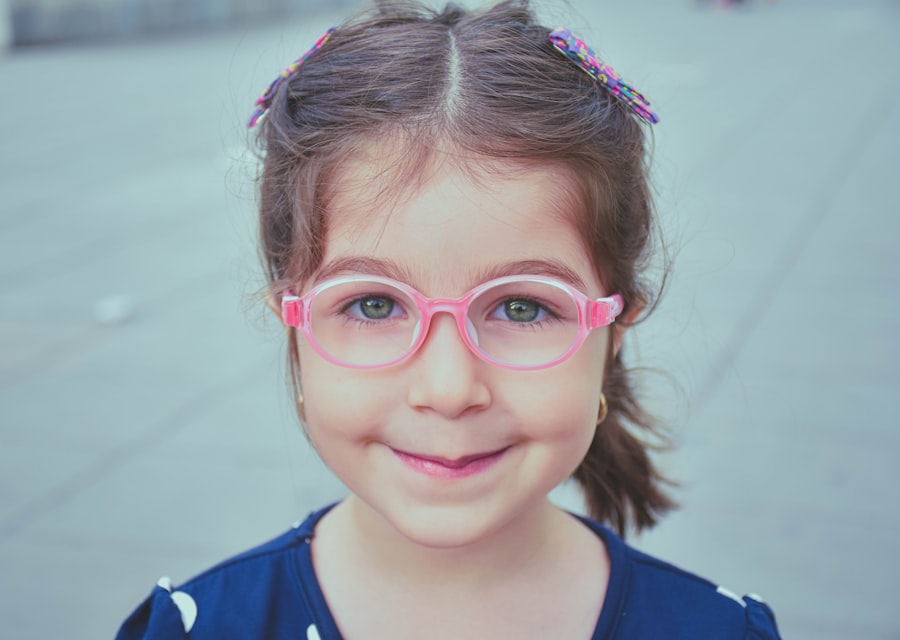
Believe it or not, a child’s eyes can offer a window into their overall health. An optometrist isn’t just looking at the front of the eye; they’re also examining the internal structures, like the retina and optic nerve. This detailed examination can sometimes reveal signs of underlying health conditions that might not otherwise be apparent.
Systemic Health Indicators
Certain systemic diseases, like diabetes or high blood pressure (though less common in young children in its full-blown form, early indicators can sometimes be present), can manifest with changes in the blood vessels of the retina. While an optometrist won’t diagnose these conditions, they might spot abnormalities that warrant further investigation by a pediatrician. Early detection of such issues can be life-saving or significantly improve long-term health outcomes.
Neurological Clues
The optic nerve connects the eye to the brain, and its appearance can provide clues about neurological health. Swelling of the optic nerve, for example, could indicate increased pressure in the brain, which requires immediate medical attention. While rare, an annual eye exam serves as another layer of screening for these serious conditions, offering peace of mind or prompting timely intervention.
Genetic Conditions and Syndromes
Some genetic conditions and syndromes have associated ocular manifestations. For instance, certain conditions might lead to specific retinal abnormalities or cataracts. While usually diagnosed by other means, an optometrist’s exam can sometimes be the first time these signs are noticed, helping to complete a diagnosis or monitor the progression of a known condition.
Empowering Kids with Confidence and Comfort
| Benefits of Annual Eye Exams for Kids |
|---|
| Early detection of vision problems |
| Improved academic performance |
| Prevention of eye strain and headaches |
| Enhanced hand-eye coordination |
| Identification of potential eye diseases |
| Proper development of visual skills |
Good vision isn’t just about academic or physical performance; it’s deeply tied to a child’s confidence, comfort, and overall engagement with the world around them. When a child sees clearly and comfortably, they’re more likely to explore, learn, and interact positively.
Increased Self-Esteem
Imagine a child who constantly struggles to see the board, or whose eyes always feel tired and strained. This can lead to feelings of inadequacy, frustration, and a reluctance to participate in classroom activities or sports. When vision problems are corrected, whether with glasses, contacts, or vision therapy, it’s often a profound transformation. They can see the world clearly, participate fully, and experience a boost in their self-esteem and confidence. This newfound comfort allows them to focus on learning and engaging, rather than struggling with their vision.
Reduced Discomfort and Headaches
Many children might not even realize their vision isn’t clear because they’ve never known anything different. They might simply complain of frequent headaches, eye strain, or fatigue, without linking it to their vision. An annual eye exam can identify underlying visual stress that is causing these symptoms. Correcting their vision can significantly reduce or eliminate these complaints, leading to a much more comfortable and enjoyable daily experience, both at school and during playtime.
Full Participation in Life
Ultimately, good vision allows children to fully participate in all aspects of life. From reading storybooks to playing hide-and-seek, from learning to drive a bike to exploring nature, their eyes are their primary tool for gathering information about the world. Ensuring their vision is optimal through annual eye exams empowers them to engage fully, safely, and joyfully with everything around them now and as they grow. It’s an investment in their future, their learning, and their overall quality of life.
FAQs
Why is it important for kids to have annual eye exams?
Annual eye exams for kids are important because they can help detect any vision problems early on, which can then be addressed to prevent further complications. Early detection of vision issues can also help improve a child’s academic performance and overall quality of life.
At what age should kids start getting annual eye exams?
Children should have their first comprehensive eye exam at 6 months of age, then again at 3 years old, and just before starting school. After that, annual eye exams are recommended to ensure any vision problems are caught and addressed early.
What are some signs that a child may need an eye exam?
Some signs that a child may need an eye exam include frequent squinting, rubbing their eyes, holding objects close to their face, complaining of headaches or eye strain, or having difficulty reading or seeing things at a distance.
What can be detected during a child’s annual eye exam?
During a child’s annual eye exam, an optometrist can detect refractive errors (nearsightedness, farsightedness, astigmatism), lazy eye (amblyopia), crossed eyes (strabismus), color blindness, and other vision problems that may affect a child’s development and learning.
How can annual eye exams benefit a child’s overall health and well-being?
Annual eye exams can benefit a child’s overall health and well-being by ensuring that any vision problems are addressed early, which can improve their academic performance, social interactions, and overall quality of life. Additionally, early detection of certain eye conditions can prevent more serious complications later in life.