
Vision prescription numbers can seem like a foreign language if you’re not familiar with them. At their core, these numbers are designed to help you see clearly, whether you need glasses or contact lenses. A typical prescription includes several components that indicate the specific corrections needed for your eyes. These numbers are crucial for ensuring that your lenses are tailored to your unique vision needs.
When you visit an eye care professional, they will conduct a series of tests to determine your vision requirements. The resulting prescription will include values for sphere, cylinder, axis, and sometimes additional measurements. Each of these components plays a role in correcting your vision, and understanding them can empower you to make informed decisions about your eye care.
Deciphering the Sphere, Cylinder, and Axis Numbers
The sphere measurement is often the most prominent number on your prescription. It indicates the degree of nearsightedness (myopia) or farsightedness (hyperopia) you have. A negative number signifies myopia, meaning you struggle to see distant objects clearly, while a positive number indicates hyperopia, where close objects may be blurry. The larger the absolute value of the sphere number, the stronger the lens required.
Next comes the cylinder measurement, which addresses astigmatism. Astigmatism occurs when the cornea is irregularly shaped, causing blurred vision at all distances. The cylinder value tells you how much correction is needed for this condition. Like the sphere, this number can also be positive or negative, depending on whether you have hyperopic or myopic astigmatism.
The axis number is a bit different; it’s measured in degrees and indicates the orientation of the astigmatism correction. This number ranges from 1 to 180 and helps ensure that the cylindrical lens is positioned correctly in your glasses or contacts. Understanding these three components can help demystify your prescription and give you a clearer picture of your vision needs.
Interpreting the Diopter Measurements
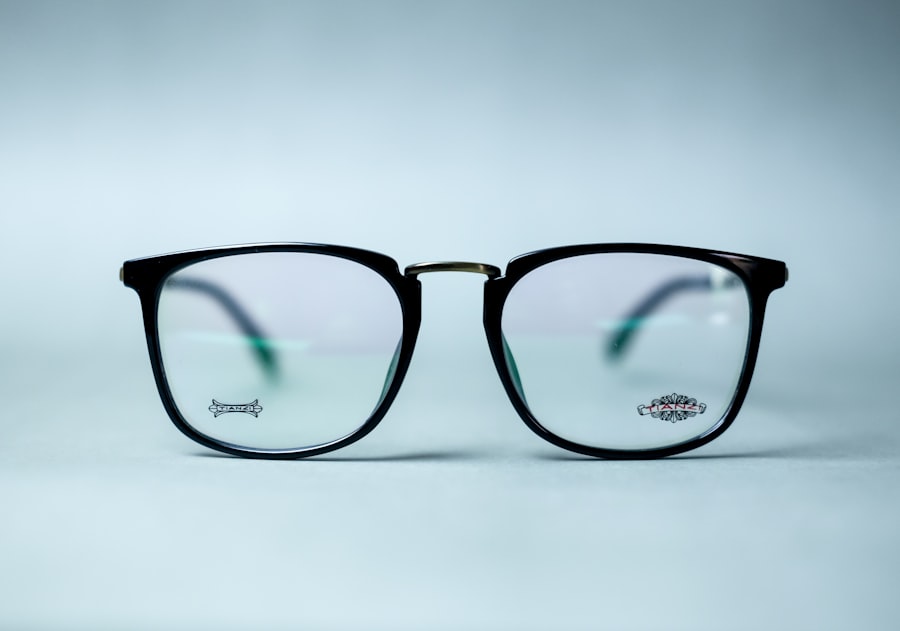
Diopters are the units used to measure the power of lenses needed to correct vision. Each diopter corresponds to a specific level of vision correction. For instance, a prescription with a sphere of -2.00 means that a lens with a power of -2 diopters is required to correct nearsightedness. Similarly, a +2.00 sphere indicates that a lens with a power of +2 diopters is needed for farsightedness.
When it comes to astigmatism, the cylinder measurement is also expressed in diopters. If your prescription includes a cylinder value of -1.50, it means that you need a lens with a power of -1.50 diopters to correct for astigmatism. The combination of these measurements gives a comprehensive view of your visual needs and helps optometrists and ophthalmologists create the right lenses for you.
Explaining the Difference Between Nearsightedness and Farsightedness

Nearsightedness and farsightedness are two common refractive errors that affect how we see the world around us. Nearsightedness, or myopia, occurs when light entering the eye focuses in front of the retina instead of directly on it. This results in clear vision up close but blurry vision at a distance. People with myopia often find it challenging to see road signs or presentations from afar.
On the other hand, farsightedness, or hyperopia, happens when light focuses behind the retina. This condition makes it difficult to see objects up close while distant vision may remain clear. Individuals with hyperopia might struggle with reading or other tasks that require close focus, often experiencing eye strain or fatigue as a result.
Understanding these differences is essential for recognizing how your vision works and what kind of correction you might need. Whether you’re nearsighted or farsighted, knowing your specific condition can help you communicate effectively with your eye care provider.
Understanding the Addition and Subtraction of Vision Prescription Numbers
| Prescription Type | What it Means |
|---|---|
| OD (Right Eye) | The first number represents the spherical correction for your right eye. A negative number indicates nearsightedness, while a positive number indicates farsightedness. |
| OS (Left Eye) | The second number represents the spherical correction for your left eye. A negative number indicates nearsightedness, while a positive number indicates farsightedness. |
| OU (Both Eyes) | The third number, if present, represents the amount of astigmatism correction needed for both eyes. It can be a positive or negative number. |
In some cases, particularly for those who require multifocal lenses or bifocals, you may see an “Add” value on your prescription. This number indicates additional magnifying power needed for reading or other close-up tasks. The Add value is typically a positive number and is added to the sphere measurement for near vision correction.
For example, if your sphere measurement is -2.00 and your Add value is +2.00, your near vision prescription would be -2.00 +2.00 = 0.00 diopters for reading glasses. This means that while you may need correction for distance vision, your near vision requires additional support to see clearly up close.
Conversely, if you have a prescription that requires subtraction due to varying strengths in different lenses, it’s essential to understand how these adjustments work together to provide optimal vision correction. Each component plays a role in ensuring that both distance and near vision are adequately addressed.
Recognizing the Importance of Astigmatism in Vision Prescription Numbers
Astigmatism is often overlooked but plays a significant role in overall vision quality. It occurs when the cornea or lens has an irregular shape, leading to distorted or blurred vision at all distances. If you have astigmatism, your prescription will include cylinder and axis measurements to correct this issue.
The cylinder value indicates how much correction is needed for astigmatism, while the axis number ensures that this correction is applied in the right direction. Without addressing astigmatism in your prescription, even perfectly corrected nearsightedness or farsightedness may still leave you with less-than-clear vision.
Understanding astigmatism’s impact on your vision can help you appreciate why these numbers are included in your prescription. It’s not just about seeing clearly; it’s about seeing well across all distances without distortion.
Considering the Impact of Age on Vision Prescription Numbers
As we age, our eyes undergo various changes that can affect our vision prescriptions. Presbyopia is one common condition that typically begins in our 40s and results in difficulty focusing on close objects due to a loss of elasticity in the lens of the eye. This condition often necessitates an addition value on prescriptions for reading glasses or multifocal lenses.
Other age-related changes can include cataracts or macular degeneration, which may also influence your prescription needs over time. Regular eye exams become increasingly important as we age to monitor these changes and adjust prescriptions accordingly.
Being aware of how age impacts your vision can help you stay proactive about eye care. If you notice changes in your ability to see clearly at different distances, it’s worth discussing with your eye care provider during your next visit.
Discussing the Role of Optometrists and Ophthalmologists in Determining Vision Prescription Numbers
Optometrists and ophthalmologists play crucial roles in assessing and determining vision prescription numbers. Optometrists are trained to perform comprehensive eye exams and can prescribe corrective lenses based on their findings. They often focus on routine eye care and can detect common issues like nearsightedness, farsightedness, and astigmatism.
Ophthalmologists, on the other hand, are medical doctors specializing in eye health and surgery. They can diagnose more complex conditions and provide treatments beyond just prescribing glasses or contacts. If your vision issues are related to underlying health conditions or require surgical intervention, an ophthalmologist will be essential in managing your care.
Both professionals work together to ensure that you receive appropriate care tailored to your needs. Whether you’re simply looking for a new pair of glasses or dealing with more serious eye health concerns, understanding their roles can help you navigate your eye care journey more effectively.
In conclusion, understanding vision prescription numbers involves more than just reading a series of numbers on a piece of paper; it’s about grasping how those numbers relate to your unique visual needs. From deciphering sphere and cylinder measurements to recognizing the impact of age and astigmatism, being informed can empower you to take charge of your eye health effectively. Regular check-ups with optometrists or ophthalmologists will ensure that your prescriptions remain accurate as your vision changes over time.
FAQs
1. What do the numbers on a vision prescription mean?
The numbers on a vision prescription indicate the level of refractive error in each eye, including nearsightedness (myopia), farsightedness (hyperopia), and astigmatism. The numbers represent the strength of lenses needed to correct these refractive errors, measured in units called diopters.
2. How are the numbers on a vision prescription interpreted?
The numbers on a vision prescription are typically written in a specific format, with a minus sign (-) indicating nearsightedness and a plus sign (+) indicating farsightedness. The numbers also indicate the degree of astigmatism, if present, and may include additional measurements for other vision issues.
3. What is the significance of the “OD” and “OS” abbreviations on a vision prescription?
The “OD” and “OS” abbreviations on a vision prescription refer to the Latin terms “oculus dexter” (right eye) and “oculus sinister” (left eye), respectively. These abbreviations help to differentiate the prescription for each eye and ensure that the correct lenses are used for each.
4. Can vision prescription numbers change over time?
Yes, vision prescription numbers can change over time due to various factors such as aging, eye strain, or underlying health conditions. It is important to have regular eye exams to monitor any changes in vision and update the prescription as needed.
5. How can I understand my vision prescription numbers better?
To better understand your vision prescription numbers, it is recommended to consult with an eye care professional, such as an optometrist or ophthalmologist. They can explain the specific measurements and their implications for your vision, as well as help you select the most suitable eyeglasses or contact lenses based on your prescription.