
Blurred vision is one of the most common complaints when it comes to eye health. It can manifest in various ways, from a slight haziness to a complete inability to see clearly. This condition can be temporary or chronic, depending on the underlying cause. For instance, fatigue, stress, or even prolonged screen time can lead to temporary blurred vision. However, if you find that this issue persists, it might be time to consult an eye care professional.
There are several potential reasons for blurred vision. Refractive errors like nearsightedness, farsightedness, or astigmatism are often culprits. These conditions occur when the shape of your eye prevents light from focusing directly on the retina. Other causes can include cataracts, glaucoma, or even more serious conditions like diabetic retinopathy. If you notice that your vision is consistently blurry, it’s essential to get a comprehensive eye exam to determine the root cause and explore treatment options.
Headaches or eye strain
Headaches and eye strain often go hand in hand, especially in our screen-dominated world. Spending long hours in front of a computer or staring at a smartphone can lead to discomfort that manifests as headaches. This is often due to the muscles around your eyes becoming fatigued from overuse. If you find yourself rubbing your eyes frequently or experiencing tension in your forehead, it might be a sign that your eyes need a break.
Eye strain can also be exacerbated by poor lighting conditions or improper screen settings. For example, glare from windows or harsh overhead lights can make it difficult for your eyes to focus, leading to discomfort. Taking regular breaks using the 20-20-20 rule—looking at something 20 feet away for 20 seconds every 20 minutes—can help alleviate some of this strain. If headaches persist despite these adjustments, it’s worth discussing with a healthcare provider to rule out any underlying issues.
Difficulty reading or focusing
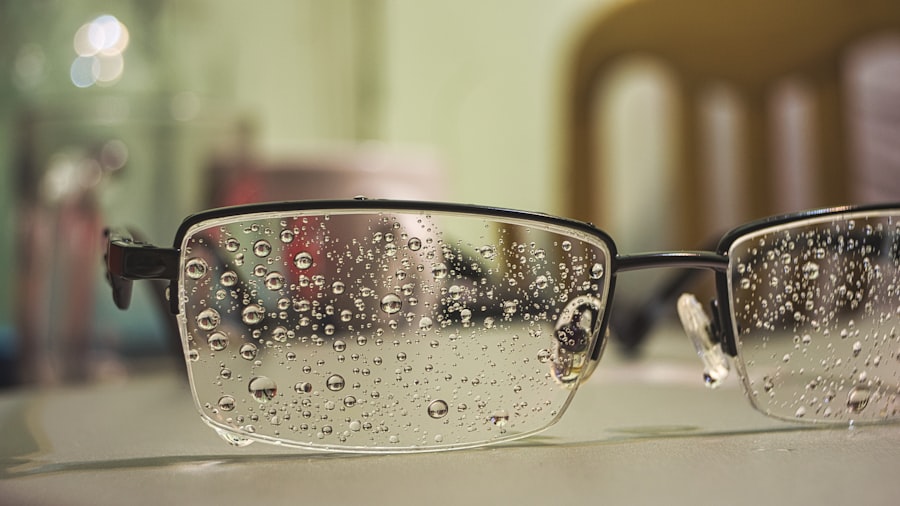
If you find yourself struggling to read the fine print or having trouble focusing on text, you’re not alone. Many people experience difficulty reading as they age, often due to presbyopia, a natural part of the aging process where the eye’s lens becomes less flexible. This condition typically starts around the age of 40 and can make it challenging to see close objects clearly.
However, difficulty focusing isn’t solely an age-related issue. It can also stem from uncorrected vision problems or even conditions like dry eye syndrome, where insufficient moisture leads to discomfort and blurred vision. If you notice that reading has become increasingly challenging, consider scheduling an eye exam. An optometrist can assess your vision and recommend appropriate corrective lenses or other treatments to help improve your reading experience.
Squinting or tilting your head to see clearly
Squinting is often an instinctive response when trying to see something more clearly. When you squint, you reduce the amount of light entering your eyes and change the shape of your eyeball slightly, which can temporarily improve focus. However, if you find yourself squinting frequently, it may indicate that your vision isn’t as sharp as it should be.
Tilting your head is another common behavior people adopt when struggling to see clearly. This action can help align your line of sight with the object you’re trying to focus on, but it’s not a long-term solution. Both squinting and head tilting can lead to neck and shoulder discomfort over time. If these habits become frequent, it’s advisable to seek professional help to determine if corrective lenses or other interventions are necessary.
Double vision
| Signs | Description |
|---|---|
| Blurry Vision | If you are experiencing blurry vision, especially when reading or looking at objects in the distance, it may be time to update your prescription. |
| Eye Strain | Frequent eye strain or headaches after reading or using digital devices can indicate that your current prescription is no longer effective. |
| Squinting | If you find yourself squinting to see clearly, it could be a sign that your current glasses prescription is no longer providing the right level of correction. |
| Difficulty Seeing at Night | If you have trouble seeing clearly at night or in low-light conditions, it may be a sign that your prescription needs to be updated. |
| Frequent Headaches | Regular headaches, especially after prolonged periods of reading or screen time, can be a sign that your current prescription is no longer suitable for your eyes. |
Double vision, or diplopia, can be a disconcerting experience. It occurs when you see two images of a single object, which can happen in one eye (monocular) or both eyes (binocular). The causes of double vision can vary widely—from simple refractive errors to more serious conditions like cataracts or neurological disorders affecting the muscles that control eye movement.
If you experience double vision suddenly or it’s accompanied by other symptoms like headaches or dizziness, it’s crucial to seek medical attention promptly. While some causes may be benign and easily treatable, others could indicate more serious health issues that require immediate intervention. A thorough examination by an eye care professional can help pinpoint the cause and guide you toward appropriate treatment options.
Light sensitivity
Light sensitivity, also known as photophobia, is a condition where bright lights cause discomfort or pain in the eyes. This sensitivity can range from mild discomfort in bright sunlight to severe pain in artificial lighting conditions. Various factors can contribute to light sensitivity, including migraines, certain medications, and eye conditions like uveitis or corneal abrasions.
If you find yourself squinting or avoiding bright environments due to discomfort, it’s worth discussing with an eye care professional. They can help identify any underlying issues and recommend protective eyewear or treatments that may alleviate your symptoms. In some cases, simply adjusting your environment—like using softer lighting at home—can make a significant difference in managing light sensitivity.
Trouble seeing at night
Night vision problems can be particularly frustrating and may affect your ability to drive safely after dark. Difficulty seeing in low-light conditions can stem from several factors, including age-related changes in the eye, such as cataracts or macular degeneration. Additionally, conditions like retinitis pigmentosa can lead to progressive night blindness.
If you notice that your night vision is deteriorating, it’s essential to address this with an eye care professional. They can conduct tests to determine the cause and suggest appropriate interventions. In some cases, specialized glasses designed for low-light conditions may help improve visibility at night.
Changes in your eye health
Changes in your overall eye health can manifest in various ways and should never be ignored. Whether it’s a sudden shift in vision quality or new symptoms like redness or discharge, these changes can indicate underlying issues that require attention. Regular eye exams are crucial for monitoring your eye health and catching potential problems early.
It’s also important to be aware of lifestyle factors that can impact your eye health over time. For instance, excessive screen time without breaks can lead to digital eye strain, while poor nutrition may contribute to conditions like macular degeneration. Staying informed about your eye health and making proactive choices—like wearing sunglasses outdoors and maintaining a balanced diet—can go a long way in preserving your vision for years to come.
In conclusion, being aware of these signs and symptoms related to your vision is essential for maintaining good eye health. If you experience any of these issues consistently, don’t hesitate to reach out to an eye care professional for guidance and support. Your eyes are invaluable; taking care of them should always be a priority.
FAQs
What are the signs that indicate it’s time to update your glasses prescription?
Some signs that indicate it’s time to update your glasses prescription include experiencing frequent headaches, eye strain, blurred vision, difficulty reading, and squinting.
How often should I update my glasses prescription?
It is recommended to update your glasses prescription every one to two years, or as advised by your eye care professional. However, if you notice any changes in your vision, it’s important to schedule an appointment for a new prescription.
What are the risks of not updating your glasses prescription when needed?
Not updating your glasses prescription when needed can lead to increased eye strain, headaches, blurred vision, and difficulty focusing. It can also impact your overall eye health and may lead to more serious vision problems in the long run.
Can I update my glasses prescription without visiting an eye care professional?
No, it is not recommended to update your glasses prescription without visiting an eye care professional. An eye exam is necessary to accurately assess your vision and determine the correct prescription for your glasses.
What should I expect during an eye exam to update my glasses prescription?
During an eye exam to update your glasses prescription, you can expect to undergo various tests to assess your vision, including reading an eye chart, measuring your eye pressure, and determining the appropriate prescription for your glasses. It’s also an opportunity to discuss any concerns or changes in your vision with your eye care professional.