
Ultraviolet (UV) radiation from the sun can have detrimental effects on the eyes, leading to conditions such as cataracts, macular degeneration, and photokeratitis. Understanding UV protection is essential for anyone who spends time outdoors. Sunglasses that offer UV protection are designed to block harmful rays, significantly reducing the risk of eye damage. It is important to note that not all sunglasses provide adequate UV protection; therefore, consumers should look for labels indicating 100% UV protection or UV400, which blocks all light rays with wavelengths up to 400 nanometers.
The effectiveness of UV protection is not solely determined by the darkness of the lens. Even clear lenses can offer UV protection if they are treated with the appropriate coatings. This means that consumers should prioritize UV protection over lens tint when selecting sunglasses. Additionally, it is advisable to consider the overall design of the sunglasses, as larger frames can provide more coverage and reduce the amount of UV light that enters from the sides. Understanding these factors can help individuals make informed choices about their eye health.
Choosing the Right Lens Color
Lens color plays a significant role in how sunglasses perform in various lighting conditions. Different colors can enhance contrast and improve visibility, making them suitable for specific activities. For instance, gray lenses are popular for their ability to reduce overall brightness without distorting colors, making them ideal for general use. Brown or amber lenses enhance contrast and depth perception, which can be beneficial for outdoor sports or driving.
In addition to functionality, personal preference also influences lens color choice. Some individuals may prefer a specific tint based on aesthetic appeal or fashion trends. However, it is essential to balance style with practicality. For example, yellow or gold lenses can brighten up low-light conditions but may not be suitable for bright sunny days. Ultimately, understanding how different lens colors affect vision can help consumers select sunglasses that meet their needs while also aligning with their personal style.
Consider the Shape and Size of the Sunglasses
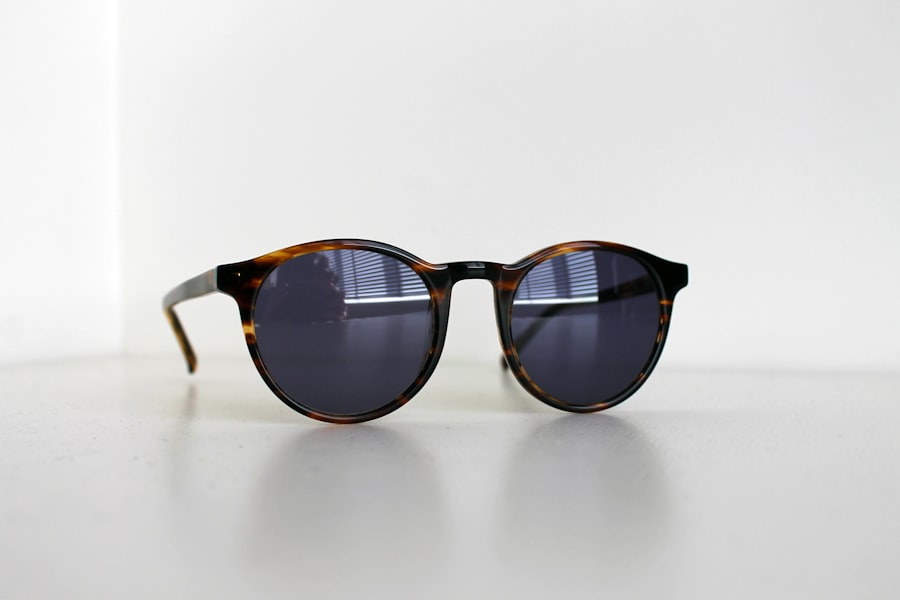
The shape and size of sunglasses are crucial factors that can impact both comfort and effectiveness. Larger frames often provide more coverage, protecting the eyes from UV rays and wind. Wraparound styles are particularly effective for outdoor activities as they minimize peripheral light exposure. Conversely, smaller frames may not offer adequate protection and can allow harmful rays to enter from the sides.
When selecting sunglasses, it is also important to consider face shape. Certain styles complement specific facial features better than others. For example, round faces may benefit from angular frames that add definition, while square faces might look better in softer, rounded designs. Finding a pair that suits both the shape of the face and personal style can enhance comfort and ensure that the sunglasses are worn regularly.
Look for Polarized Lenses
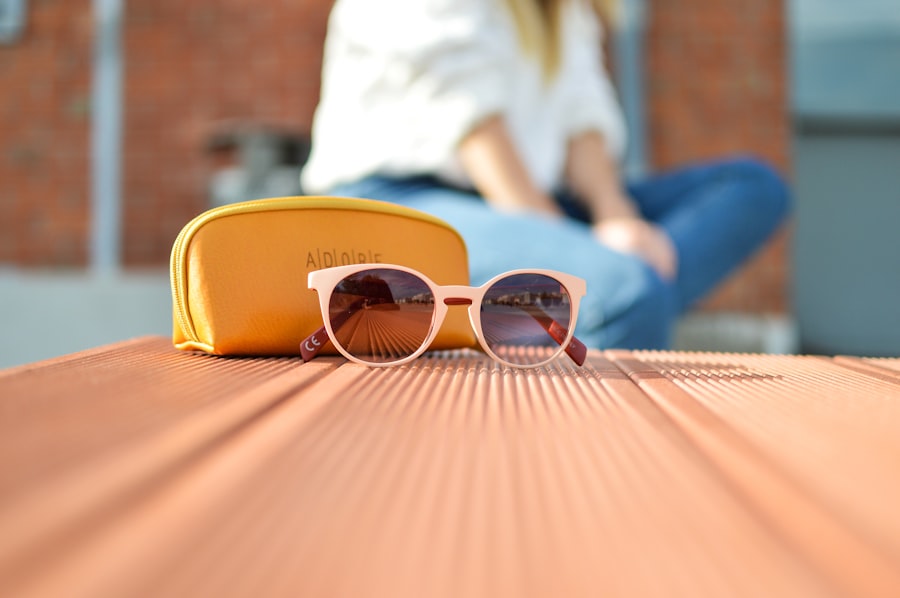
Polarized lenses are a valuable feature in sunglasses, particularly for those who spend time near water or on reflective surfaces. These lenses are designed to reduce glare by filtering out horizontal light waves, which can cause discomfort and impair vision. This makes polarized sunglasses an excellent choice for activities such as fishing, boating, or driving on sunny days.
While polarized lenses offer significant benefits, they may not be necessary for everyone. For casual wearers or those who primarily use sunglasses in low-glare environments, standard tinted lenses may suffice. However, individuals who frequently engage in outdoor activities should consider investing in polarized options to enhance visual clarity and reduce eye strain. Understanding the advantages of polarized lenses can help consumers make informed decisions based on their specific needs.
Checking for Quality and Durability
| Factors to Consider | Importance |
|---|---|
| UV Protection | Essential for protecting eyes from harmful UV rays |
| Polarization | Reduces glare and improves clarity |
| Lens Material | Choose durable and impact-resistant materials |
| Fit and Comfort | Ensures proper coverage and comfortable wear |
| Style and Fashion | Personal preference and fashion statement |
Quality and durability are essential considerations when purchasing sunglasses. A well-constructed pair will not only provide better protection but also last longer under regular use. Consumers should examine the materials used in both the lenses and frames. High-quality lenses are typically made from polycarbonate or glass, which offer superior scratch resistance and optical clarity compared to cheaper plastic alternatives.
In addition to lens quality, frame construction is equally important. Metal frames tend to be more durable than plastic ones but may be heavier. On the other hand, high-quality plastic frames can be lightweight and flexible while still providing strength. It is advisable to check for warranties or guarantees offered by manufacturers, as these can indicate confidence in the product’s durability. By prioritizing quality and durability, consumers can ensure they are making a worthwhile investment in their eye protection.
Ensuring a Proper Fit
A proper fit is crucial for both comfort and effectiveness when wearing sunglasses. Ill-fitting sunglasses can slide down the nose or pinch at the temples, leading to discomfort during extended wear. To find the right fit, individuals should try on various styles and sizes to see how they feel on their face. The sunglasses should sit comfortably on the bridge of the nose without slipping or pinching.
Additionally, it is important to consider how the sunglasses interact with other accessories such as hats or helmets. For those who wear glasses underneath their sunglasses, finding a pair that accommodates this need is essential for comfort and functionality. Ensuring a proper fit not only enhances comfort but also maximizes the protective benefits of the sunglasses.
Considering Your Lifestyle and Activities
When selecting sunglasses, it is important to consider lifestyle and activities to ensure that the chosen pair meets specific needs. For individuals who engage in sports or outdoor activities, features such as impact resistance and a secure fit become paramount. Athletes may benefit from wraparound styles that provide maximum coverage and stability during movement.
Conversely, those who primarily wear sunglasses for casual outings may prioritize style over performance features. Fashion-forward designs may appeal more to this demographic, but it is still essential to ensure adequate UV protection regardless of style preferences. By aligning sunglasses with lifestyle needs, consumers can select a pair that enhances both functionality and personal expression.
Seeking Professional Advice
For those unsure about which sunglasses to choose, seeking professional advice can be beneficial. Optometrists or eyewear specialists can provide insights into lens options, frame styles, and features that best suit individual needs. They can also conduct eye exams to determine any specific vision requirements that may influence sunglass selection.
Additionally, professionals can help educate consumers about the importance of UV protection and how different lens technologies work. This guidance can be invaluable in making informed decisions that prioritize eye health while also considering personal style preferences. By consulting with experts, individuals can navigate the often overwhelming array of options available in the market and find sunglasses that truly meet their needs.
In conclusion, selecting the right pair of sunglasses involves a multifaceted approach that considers UV protection, lens color, shape and size, polarization, quality, fit, lifestyle needs, and professional advice. By taking these factors into account, consumers can make informed choices that protect their eyes while also reflecting their personal style. Investing time in understanding these elements will ultimately lead to a more satisfying sunglass experience that prioritizes both health and aesthetics.
FAQs
What are the key factors to consider when choosing sunglasses for eye protection?
When choosing sunglasses for eye protection, it is important to consider factors such as UV protection, lens quality, fit, and coverage. Look for sunglasses that offer 100% UV protection to shield your eyes from harmful UV rays. Additionally, opt for high-quality lenses that reduce glare and provide clear vision. Ensure that the sunglasses fit comfortably and securely to prevent UV rays from entering around the edges. Lastly, choose sunglasses with adequate coverage to protect your eyes from all angles.
How can I ensure that the sunglasses I choose provide adequate UV protection?
To ensure that the sunglasses provide adequate UV protection, look for labels or stickers indicating 100% UV protection or UV 400 on the lenses. Additionally, consider purchasing sunglasses from reputable brands or retailers that offer UV protection guarantees. It is also advisable to have an optometrist or ophthalmologist verify the UV protection level of the sunglasses.
What are the different types of lenses that offer eye protection in sunglasses?
Sunglasses with polarized lenses are effective in reducing glare and improving visibility, making them suitable for outdoor activities. Photochromic lenses are another option, as they automatically adjust to changing light conditions. Additionally, mirrored lenses can provide extra protection by reflecting light away from the eyes. It is important to choose lenses that offer UV protection, regardless of the type.
Are there specific frame styles that offer better eye protection?
When it comes to frame styles, larger and wraparound frames offer better eye protection as they provide more coverage and reduce the amount of UV rays entering from the sides. Additionally, frames with a close fit to the face can help block UV rays from all angles. It is important to choose frames that are comfortable and do not obstruct your vision.
How often should I replace my sunglasses for optimal eye protection?
It is recommended to replace sunglasses every 2 years, or sooner if there are signs of damage or wear. Over time, the UV protection of the lenses may degrade, compromising their ability to shield your eyes from harmful UV rays. Regularly inspect the sunglasses for any scratches, cracks, or loose hinges, and replace them as needed to ensure optimal eye protection.