Regular eye exams play a crucial role in maintaining overall health and well-being. They serve not only to assess vision but also to detect potential eye diseases and other health issues that may not present obvious symptoms. Many eye conditions, such as glaucoma, diabetic retinopathy, and macular degeneration, can develop silently, leading to irreversible damage if not identified early. By scheduling routine eye exams, individuals can ensure that any emerging problems are caught in their early stages, allowing for timely intervention and treatment.
Moreover, eye exams can provide insights into a person’s general health. The eyes are often referred to as the “window to the soul,” but they can also reveal significant information about systemic conditions like hypertension and diabetes. During an eye exam, an eye care professional can observe changes in the blood vessels and nerves in the retina, which may indicate underlying health issues. This connection underscores the importance of regular eye check-ups as a proactive measure for both vision and overall health.
Factors that Affect Frequency of Eye Exams
Several factors influence how often individuals should undergo eye exams. One of the primary considerations is age. As people grow older, their risk for developing eye diseases increases, necessitating more frequent visits to an eye care professional. Children, for instance, may require more regular assessments to monitor their developing vision, while older adults may need annual check-ups to manage age-related conditions.
Another significant factor is an individual’s medical history. Those with a family history of eye diseases or systemic conditions that can affect vision, such as diabetes or hypertension, may need to schedule exams more frequently. Additionally, lifestyle choices such as smoking, prolonged screen time, and exposure to UV light can also impact eye health and may warrant more regular evaluations. Understanding these factors can help individuals make informed decisions about their eye care needs.
Recommended Frequency for Different Age Groups
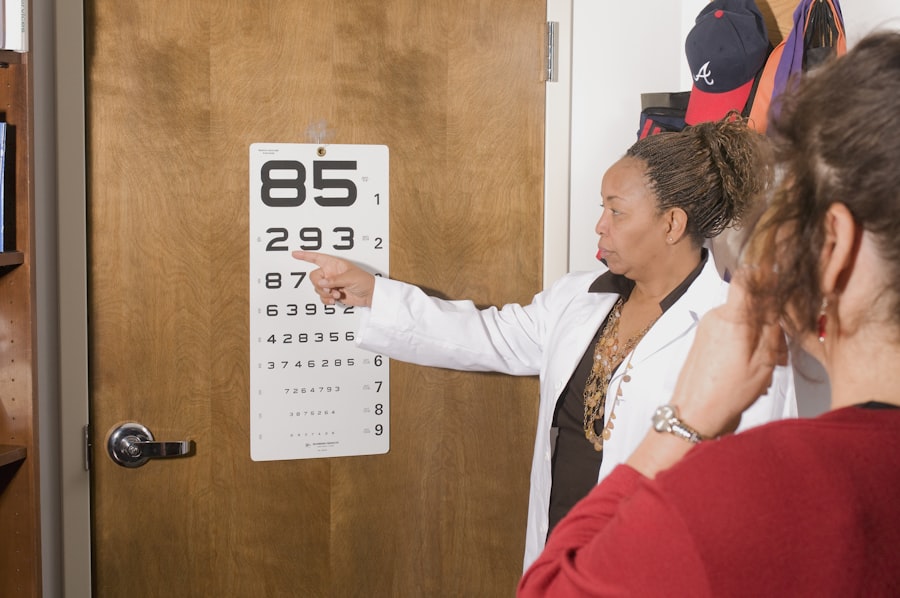
The recommended frequency of eye exams varies across different age groups. For infants, the American Academy of Ophthalmology suggests that a comprehensive eye exam should be conducted at six months of age. This early assessment is crucial for identifying any potential vision problems that could affect development. Following this initial exam, children should have their eyes checked again at age three and before entering school to ensure that their vision is developing appropriately.
For adults aged 18 to 64, the general recommendation is to have an eye exam every two years if they do not have any vision problems or risk factors. However, those with specific concerns or a family history of eye diseases may need to visit an eye care professional annually. For individuals aged 65 and older, annual eye exams are typically advised due to the increased risk of age-related conditions such as cataracts and macular degeneration. These guidelines help ensure that individuals receive appropriate care tailored to their specific needs.
Signs that Indicate the Need for an Eye Exam
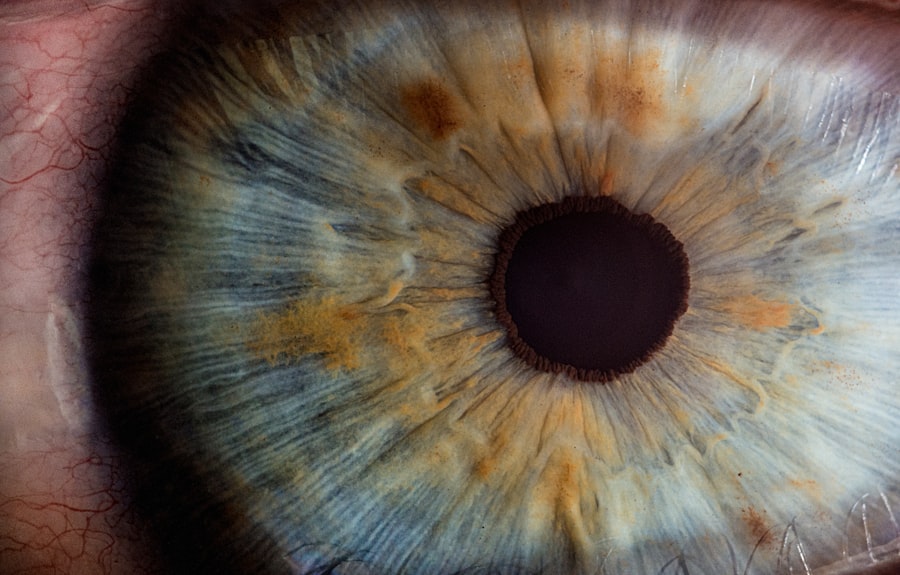
Certain signs and symptoms may indicate the need for an eye exam outside of the regular schedule. Frequent headaches can be a signal that vision is strained or that there may be an underlying issue with the eyes. Blurred or double vision is another clear indication that an evaluation is necessary, as it can stem from various causes ranging from refractive errors to more serious conditions.
Additionally, changes in color perception or difficulty seeing at night should not be ignored. These symptoms can suggest issues such as cataracts or retinal problems. If individuals experience sudden flashes of light or floaters in their vision, it is essential to seek immediate attention from an eye care professional, as these could be signs of retinal detachment or other urgent conditions. Recognizing these warning signs can lead to timely interventions and better outcomes.
Benefits of Regular Eye Exams
| Age Group | Frequency of Eye Exam | Notes |
|---|---|---|
| Children (6 months to 5 years) | At least once | Initial comprehensive eye exam recommended between 6 months and 1 year; follow-up as advised |
| Children (6 to 18 years) | Every 1-2 years | More frequent if vision problems or risk factors are present |
| Adults (18 to 40 years) | Every 2 years | Annual exams if wearing glasses or contacts or have risk factors |
| Adults (41 to 60 years) | Every 1-2 years | Increased risk of presbyopia and eye diseases; more frequent exams recommended |
| Adults (61 years and older) | Every year | Higher risk of cataracts, glaucoma, and macular degeneration |
| People with Diabetes or Eye Conditions | As recommended by eye care professional | May require more frequent monitoring |
The benefits of regular eye exams extend beyond just maintaining good vision. One significant advantage is the early detection of eye diseases, which can lead to more effective treatment options and better prognoses. For instance, catching glaucoma in its early stages can prevent irreversible damage to the optic nerve and preserve vision over time.
In addition to detecting eye diseases, regular exams can also enhance overall quality of life. Clear vision is essential for daily activities such as reading, driving, and working on a computer. By addressing vision problems promptly, individuals can improve their productivity and reduce the risk of accidents related to poor eyesight. Furthermore, regular visits to an eye care professional can foster a better understanding of personal eye health and encourage proactive measures to maintain it.
Cost Considerations for Eye Exams
Cost is often a significant factor when considering regular eye exams. The price of an exam can vary widely depending on location, the type of examination performed, and whether the individual has insurance coverage. Many insurance plans cover routine eye exams, but it is essential for individuals to verify their specific benefits and any associated out-of-pocket costs.
For those without insurance, the cost of an eye exam can range from $50 to $200 or more. Some community health centers and non-profit organizations offer low-cost or sliding-scale fees for those in need. Additionally, investing in regular eye exams can be seen as a preventive measure that may save money in the long run by avoiding more expensive treatments for advanced conditions that could have been detected earlier.
How to Prepare for an Eye Exam
Preparing for an eye exam can help ensure a smooth and efficient visit. Individuals should gather relevant information about their medical history, including any medications they are currently taking and any previous eye conditions or surgeries they have experienced. This information will assist the eye care professional in understanding the patient’s background and tailoring the examination accordingly.
It is also advisable to bring along any current eyewear, such as glasses or contact lenses, as this will provide valuable information about existing prescriptions and vision needs. Patients should consider writing down any specific concerns or symptoms they wish to discuss during the appointment. Being prepared with questions can lead to a more productive dialogue with the eye care professional and help address any uncertainties regarding eye health.
Finding the Right Eye Care Professional
Choosing the right eye care professional is essential for receiving quality care. Individuals should consider factors such as qualifications, experience, and areas of specialization when selecting an optometrist or ophthalmologist. Recommendations from family members or friends can also be helpful in identifying reputable practitioners.
It is important to verify that the chosen professional is licensed and has a good standing with relevant medical boards. Many professionals offer initial consultations or informational sessions that allow potential patients to gauge their comfort level with the provider before committing to ongoing care. Ultimately, finding a trusted eye care professional can significantly enhance the experience of maintaining one’s eye health and addressing any concerns that may arise over time.
FAQs
How often should adults get an eye exam?
Adults should generally have a comprehensive eye exam every one to two years, depending on their age, risk factors, and whether they wear corrective lenses.
At what age should children start getting eye exams?
Children should have their first comprehensive eye exam at 6 months old, another at age 3, and then before starting school, with regular exams thereafter as recommended by an eye care professional.
Do people with certain health conditions need more frequent eye exams?
Yes, individuals with conditions like diabetes, high blood pressure, or a family history of eye disease should have more frequent eye exams, often annually or as advised by their eye doctor.
Can people without vision problems skip regular eye exams?
No, even if you have no vision problems, regular eye exams are important to detect early signs of eye diseases and other health issues that may not have obvious symptoms.
What happens during a comprehensive eye exam?
A comprehensive eye exam includes tests for visual acuity, eye muscle function, eye pressure, and a thorough examination of the retina and optic nerve to assess overall eye health.